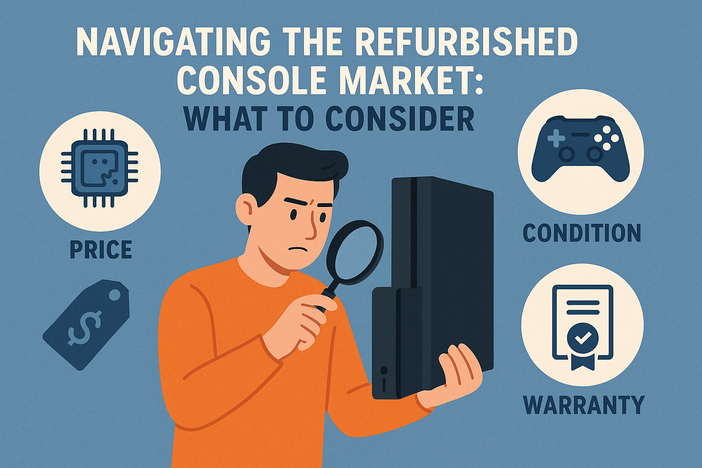
Navigating the Refurbished Console Market: What to Consider
With the rapid increase in gaming console prices driven by memory shortages and data center costs, many gamers are turning to refurbished options as a viable alternative. Refurbished consoles are often seen as a budget-friendly solution, but they come with their own set of challenges that potential buyers should consider. While these consoles offer an attractive price point, being aware of their potential drawbacks is crucial for making an informed purchase.
One major drawback is the potential for limited warranties. Unlike new consoles, which typically come with comprehensive manufacturer warranties covering a range of potential issues, refurbished consoles often come with shorter, limited warranties, if any. This leaves buyers vulnerable to unforeseen hardware failures, turning what seemed like an economical choice into a potentially costly ordeal.
Compatibility can also pose a significant challenge with refurbished consoles. Buyers might find their selected console incompatible with newer gaming accessories or unable to support the latest software updates. This can hinder the overall gaming experience, as technology advances rapidly and older hardware may struggle to keep pace with new releases, effectively diminishing the value proposition.
Another potential pitfall is the variable quality of refurbished consoles. The term ‘refurbished’ can encompass a wide range of conditions, from gently used to heavily worn out. As there’s no industry standard definition for refurbishment, the quality and reliability of these products can vary greatly depending on the seller, making it essential for buyers to research and choose reputable sources.
Security concerns also arise with refurbished gaming consoles. Previous owners could have compromised system integrity, intentionally or not. Without a secure way to ensure that the console has been thoroughly reset and free from malicious software, buyers are at risk of inheriting security vulnerabilities. Proper attention to these concerns, alongside the other drawbacks mentioned, is essential when considering refurbished gaming consoles as a cost-effective option.
Ultimately, buying a refurbished gaming console can be a smart choice for the budget-conscious gamer, but it requires careful consideration of the potential drawbacks. By thoroughly researching sellers, understanding warranty implications, and evaluating compatibility and security issues, consumers can mitigate risks. Making informed decisions in the refurbished market will ensure that your gaming experience won’t be compromised by unexpected setbacks.