Reimagining Resilience: Lincoln’s Bold Journey from Industrial Past to Green Future
In Lincoln, Maine, a town once bustling with the activity of paper mills, the echoes of industry are being replaced by a new, greener hum. With plans to host the world’s largest battery system on its former mill site by 2027, Lincoln is not just looking toward the future but learning from its past. The decision marks a significant pivot from traditional industry to innovative technology, signifying a potential renaissance for the town while steering clear of past missteps.
The transformation wasn’t an overnight miracle but a gradual shift as the community sought ways to reinvent itself. The closure of the mills, which were once the town’s lifeline, led to economic hardships and a search for new avenues. As the brownfields of yesterday turn green with new opportunity, Lincoln’s journey is one of resilience and adaptation.
Cognizant of previous overreliance on a single industry, Lincoln’s leaders are approaching this new chapter with caution. They aim to diversify the town’s economic prospects while ensuring sustainable development. By doing so, they’re not simply replacing old factories with new facilities but creating a multifaceted plan for sustainable growth and community well-being.
Central to this strategy is community engagement. Town meetings are more than just forums—they are active workshops where residents voice their hopes and concerns. By adopting a participatory approach, Lincoln is aligning its development goals with the community’s vision, ensuring that the path to progress respects both heritage and aspirations.
The promising new battery system is set to boost local employment and stimulate growth in complementary sectors. Nevertheless, Lincoln’s administration is emphasizing education and training, laying the groundwork for residents to partake fully in the emerging green economy. This foresight signifies not only an economic transition but a cultural one, underscoring the importance of lifelong learning.
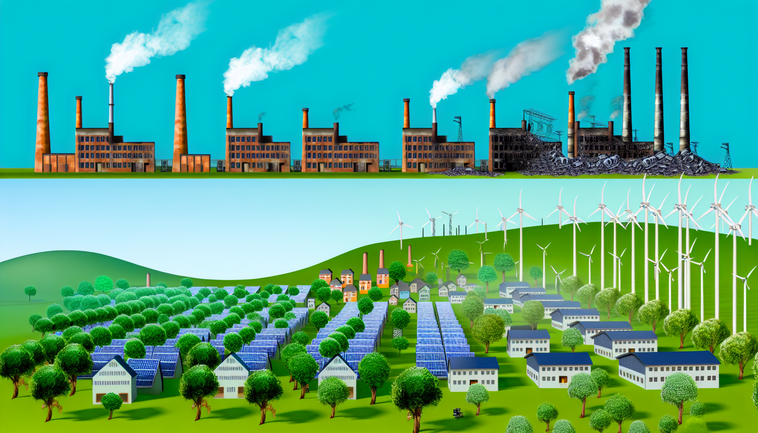
As Lincoln embarks on its ambitious project, it is also committed to environmental stewardship. The switch from smokestacks to renewable energy reflects broader global trends while addressing local environmental concerns. By embracing clean technology, the town is minimizing its carbon footprint—merging progress with preservation.
In conclusion, Lincoln’s revitalization effort is not just about changing its industrial landscape but about crafting a future that learns from the past. By acknowledging former dependencies and mistakes, the town is not just moving forward but leading by example. As 2027 approaches, the people of Lincoln stand united, ready to redefine resilience in a way that honors their history while nurturing a sustainable tomorrow.