Unlocking the Magic: 7 Game-Changing Prompts for Mastering GPT-5
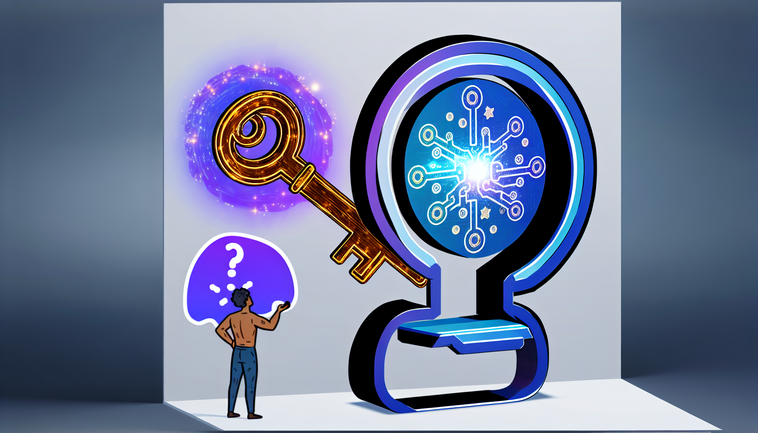
As AI technology continues to evolve, GPT-5 has emerged as a powerful tool for creativity and efficiency. However, if you’re not seeing the model perform to its full potential, you might simply need a new approach. Crafting the right prompts can transform GPT-5’s performance, making it feel like a true extension of your thoughts and creativity. In this blog post, I’ll share seven prompts that finally made GPT-5 ‘click’ for me, pushing the boundaries of what this tool can achieve.
Number one on the list is ‘Imaginary Dialogues.’ This prompt asks GPT-5 to simulate a conversation between two historical or fictional characters about a modern issue. It’s fascinating not only because it’s creative but also because it can draw upon GPT-5’s vast database to craft dialogue that feels authentic and deeply insightful.
The second prompt involves ‘Future Projections.’ By asking GPT-5 to write a newspaper article from the year 2050, I was able to glean fresh perspectives on potential futures we might inhabit. This exercise pushed the model’s predictive capabilities to the forefront and unlocked visionary scenarios.
‘Reverse Engineering’ is another powerful prompt where GPT-5 details the step-by-step process of how a classic novel might have been written, as if it were piecing together a mystery. This exercise not only showcased the model’s analytical strength but also generated a unique comprehension of narrative structures.
Using GPT-5’s ‘Creative Juxtaposition’ capability was a turning point. By feeding it prompts that mixed disparate elements like ‘space exploration and ancient myths,’ the resulting content was rich with unexpected and novel insights, making it a treasure trove for innovative ideas.
The fifth approach, ‘Crisis Management,’ solicited GPT-5’s advice on how mythical superheroes might tackle contemporary global issues. This scenario not only piqued curiosity and creativity but also showcased the model’s ability to blend fantasy with practicality.
‘Philosophical Redesigns’ offered another compelling prompt, where the AI was asked to redefine concepts like ‘freedom’ or ‘happiness’ based on new worldviews. This approach facilitated an exploration of radical ideas and fresh interpretations that were both thought-provoking and original.
Finally, ‘Poetic Reflections’ harnessed GPT-5’s lyrical side, asking it to write poetry inspired by specific emotions or pieces of music. This exercise not only drove home the model’s artistic capabilities but also its emotional depth, producing verses that resonated with genuine sentiment.
In conclusion, these prompts are more than mere instructions—they are frameworks that engage GPT-5’s full potential, leading to a richer interaction and more profound outputs. By harnessing these strategies, users can transform their experience with GPT-5, revealing a model that adapts, inspires, and truly impresses.